Bible Verse Quotes: Creative Uses for Modern Audiences
Bible verse quotes distill centuries of wisdom into compact, memorable lines. Whether you work in design, run a small business, write for a living, or simply enjoy creative projects, these short passages offer more than spiritual comfort—they provide raw material for authentic communication. The key is approaching them with intention, understanding how they can serve your audience while preserving their depth. This article explores practical ways to use Bible verse quotes in your work, no matter your field.
What Makes Bible Verse Quotes Distinctive
A Bible verse quote carries weight that generic inspirational phrases often lack. The language is poetic yet direct, ancient yet surprisingly relevant. Verses like “The light shines in the darkness, and the darkness has not overcome it” (John 1:5) function as complete narratives in miniature. They invite reflection without demanding a specific response. For creative professionals, this openness is gold. You can use the verse as a springboard rather than a conclusion, letting your audience arrive at their own meaning. The key is selecting verses that resonate universally—themes of hope, resilience, purpose, and community translate across contexts without feeling forced.
Visual Content and Social Media Design
For designers and social media managers, Bible verse quotes offer a steady source of shareable content. The challenge is presentation. A graphic featuring a verse should feel calm and intentional, not cluttered or preachy. Consider pairing “Be still, and know that I am God” (Psalm 46:10) with a minimalist landscape or soft watercolor texture. Use a single typeface with generous spacing, and let the words occupy at least half the frame. Short verses work best for Instagram stories or Pinterest pins. For a larger project, create a series around a theme—verses about peace, verses about strength, verses about beginnings. This gives your audience a reason to follow and engage over time.
When selecting colors, lean toward muted palettes: warm neutrals, soft blues, dusty greens. These tones complement the contemplative nature of the quotes without distracting from the message. Avoid heavy dropshadows or decorative flourishes. The goal is clarity and emotional resonance. If you include the reference, place it subtly in a smaller weight at the bottom right or left. Your audience should encounter the verse first and the source second.
Branding and Messaging for Small Businesses
Small business owners and marketers can integrate Bible verse quotes into their brand voice without alienating customers who hold different beliefs. The trick is choosing verses that communicate universal values. A bakery might use “Taste and see that the Lord is good” (Psalm 34:8) on its packaging or website. A carpentry or furniture business could reference “The wise woman builds her house” (Proverbs 14:1) to emphasize craftsmanship and care. These verses do not preach—they imply a philosophy of quality and purpose. For email newsletters, include a short verse at the end of a message about perseverance or gratitude. It becomes a signature of sorts, a quiet anchor that loyal customers recognize.
Consider also using verses in your physical space. A frame with “Do everything in love” (1 Corinthians 16:14) behind the counter sets a tone for both staff and customers. When customers ask about the quote, you have a natural opportunity to share your values without sounding scripted. Authenticity builds trust faster than any slogan.
Writing and Content Creation
Bloggers, freelance writers, and publishers can use Bible verse quotes as structural elements in longer pieces. A verse placed as an epigraph beneath the title sets the emotional register for the entire post. For example, a piece about career transitions might begin with “For I know the plans I have for you” (Jeremiah 29:11). The verse frames the discussion as one of hope and direction rather than anxiety. You can also use a verse as a recurring motif, returning to it at the end of the article to create a sense of completion.
For listicles or how-to articles, weave a verse into one of the points rather than isolating it. If you are writing about habits, a paragraph on consistency could include “Let us not become weary in doing good, for at the proper time we will reap a harvest” (Galatians 6:9). The verse enriches the point without dominating it. If your audience includes people of various backgrounds, offer a brief context sentence beforehand. Something like “An old proverb puts it this way…” helps bridge familiarity gaps while maintaining respect for the source.
Teaching and Group Facilitation
Educators, workshop leaders, and discussion facilitators can use Bible verse quotes as prompts for critical thinking and personal reflection. A verse like “The truth will set you free” (John 8:32) can open a session on honesty, ethics, or self-awareness. Ask participants to rewrite the verse in their own words or create a visual response using simple materials like markers and paper. For online courses, use a verse as a module header or as the text for a guided meditation at the start of a session. The rhythm of the language helps settle attention and signals that the content to follow has depth.
In group settings, avoid presenting the verse as doctrine. Instead, treat it as a text to be explored. Questions like “What does this word mean to you?” or “Where have you seen this principle play out in your life?” keep the conversation open and inclusive. This approach works especially well in mixed-belief environments, where the goal is connection rather than conversion.
Personal Projects and Hobbyist Work
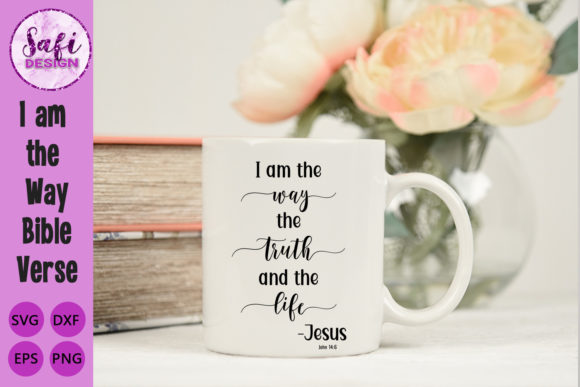
Freelancers, hobbyists, and creators working on personal projects can draw on Bible verse quotes for journals, calligraphy, music, or handmade goods. A monthly journal practice might center around one verse each week, with space for notes, sketches, or pressed flowers. Calligraphers can experiment with different scripts—copperplate, brush lettering, italic—on shorter verses like “Rejoice always” (1 Thessalonians 5:16) or “Love never fails” (1 Corinthians 13:8). These make excellent physical products for Etsy shops or gifts for friends.
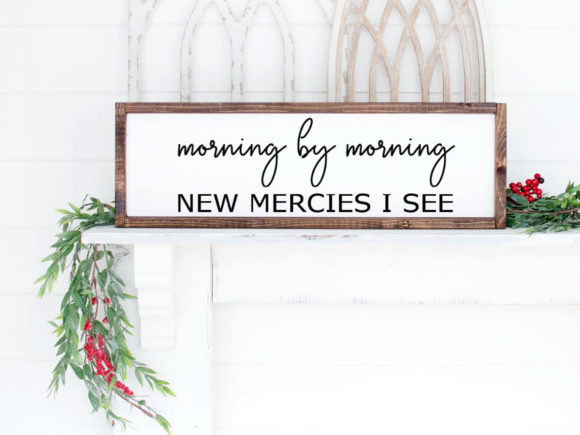
Musicians and songwriters can use verses as lyric seeds. The phrase “Morning by morning new mercies I see” (Lamentations 3:23) easily adapts into a chorus or bridge. Even if you do not write worship music, the structure and imagery of Bible verses offer rich material for folk, acoustic, or ambient tracks. For video content, pair a spoken verse with slow cinematic footage or simple animations. The combination of voice, image, and text creates a layered experience that viewers tend to remember.
Adapting Bible Verse Quotes for Different Platforms
Each platform demands a slightly different approach. On Instagram, keep verses short and use square or vertical formats. Include a call to action in the caption: “Save this for a moment when you need encouragement.” On Pinterest, create vertical pins with large typography and a clean background. Use titles that describe the feeling rather than the source, such as “A Reminder About Patience” or “Words for a Fresh Start.” For email newsletters, place the verse in a separate block with a subtle background color. Readers should encounter it as a pause, not an interruption.
Video platforms like YouTube or TikTok allow you to build short meditations around a verse. Read the verse slowly, then offer a single sentence of reflection. Keep these under sixty seconds for maximum retention. For print materials—greeting cards, bookmarks, posters—choose verses that fit the physical scale. A long verse works on a poster where there is room to breathe. Short verses suit small items like bookmarks or sticky notes. Always test the readability of your font choice at the intended size.
Practical Guidance for Clear and Effective Use
To keep your work with Bible verse quotes consistent and audience-friendly, follow a few simple practices. First, always include the reference. This gives readers the ability to verify and explore further. Second, choose a translation that balances readability with accuracy. The NIV and ESV are common choices; the Message can work for more conversational contexts. Third, avoid stacking multiple verses in a single piece. One well-chosen quote has more impact than a list. Fourth, consider your audience’s existing knowledge. If you are posting in a general-interest space, assume not everyone knows the context. A brief phrase like “From an ancient text” sets the stage without making assumptions.
Finally, respect the original meaning. Do not twist a verse to fit a point it does not support. Authenticity matters more than cleverness. If a verse is ambiguous, acknowledge the ambiguity rather than forcing a single interpretation. Your audience will appreciate the honesty, and your content will carry more weight over time.
Bible verse quotes are a versatile resource for creative and professional work. When chosen with care and presented with clarity, they can deepen your content, connect with your audience, and bring a sense of substance that trends cannot match. Whether you are designing a graphic, writing a newsletter, or building a brand, let the verse do what it does best—speak plainly and last.