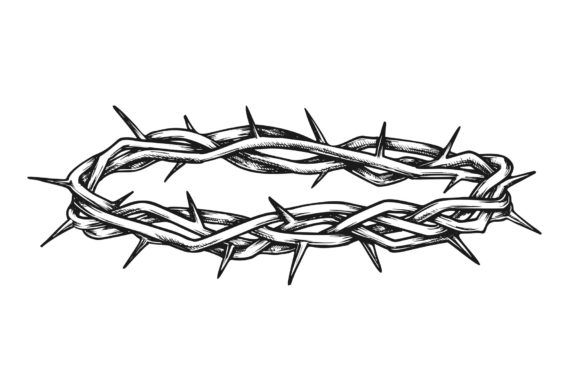
Understanding the Crown of Thorns Religious Symbol: History, Meaning, and Modern Resonance
Few images carry the weight of the Crown of Thorns religious symbol. For centuries, this twisted ring of branches has stood at the center of Christian iconography, representing suffering, sacrifice, and the paradox of power through weakness. Yet its relevance reaches far beyond the walls of churches or the pages of scripture. Artists, writers, designers, and spiritual seekers continue to engage with this symbol in ways that speak to contemporary life. To understand the Crown of Thorns religious symbol is to explore not just an ancient artifact, but a living emblem that still shapes how people think about pain, purpose, and redemption.
What the Crown of Thorns Religious Symbol Actually Represents
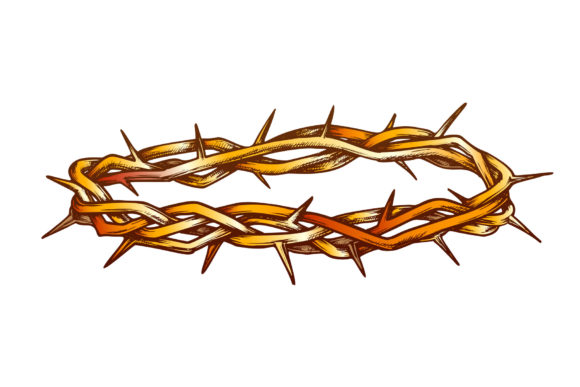
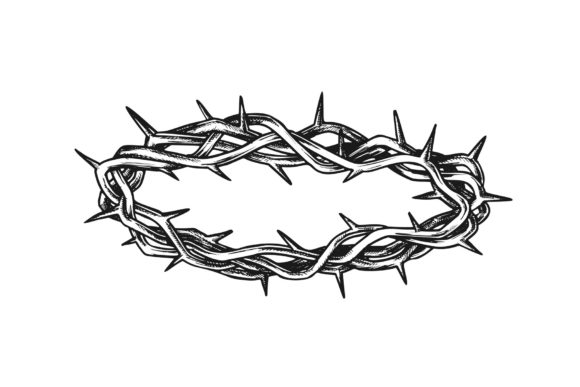
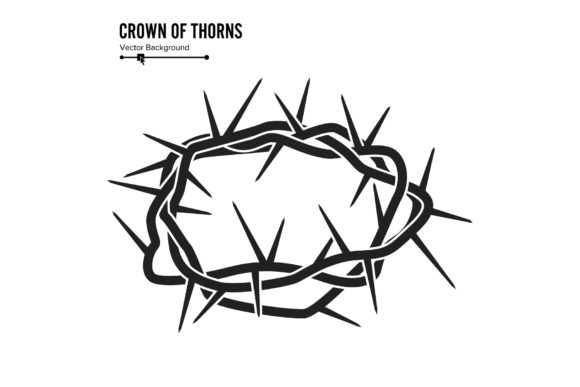
At its core, the Crown of Thorns religious symbol recalls the moments before the crucifixion of Jesus Christ. According to the Gospels, Roman soldiers wove a crown from thorny branches and placed it on his head, mocking his claim to kingship. What was intended as cruelty became, over time, one of the most recognizable signs of Christian faith. The thorns evoke the curse of the ground described in Genesis, tying human suffering directly to the story of salvation. But the symbol also inverts expectations: a crown, normally a sign of honor and authority, becomes an instrument of pain. This reversal is central to how Christians understand the nature of divine love—a love that enters fully into human anguish.
For many believers today, the Crown of Thorns religious symbol serves as a reminder that suffering is not meaningless. It suggests that dignity can coexist with distress, and that endurance has spiritual value. This is not a message of passive resignation, but one of active transformation. The symbol invites reflection on how people respond to hardship in their own lives, and whether they can find purpose even in difficult circumstances.
Historical Origins and the Evolution of a Sacred Image
The physical object itself—a relic said to be the actual crown—has a long and contested history. According to tradition, the Crown of Thorns was preserved in Jerusalem before being transferred to Constantinople. In the thirteenth century, King Louis IX of France acquired it and built the Sainte-Chapelle in Paris to house it. Today, fragments of the relic are kept at Notre-Dame Cathedral, though the crown of thorns survived the devastating 2019 fire. This tangible connection to the past gives the Crown of Thorns religious symbol a historical weight that few other Christian artifacts possess.
Over the centuries, artists have represented the crown in countless ways. Medieval painters often depicted it as a wreath of dark, aggressive thorns that drew blood. Renaissance artists sometimes softened the image, focusing on Christ's serene expression rather than the physical torture. In Byzantine iconography, the crown appears almost stylized, a symbol more than a realistic object. Each era reinterpreted the Crown of Thorns religious symbol according to its own theological and cultural sensibilities. This evolving visual language shows how the symbol has never been static; it adapts while keeping its core meaning intact.
In modern times, the crown has appeared in literature, film, and even fashion. Writers from Dostoevsky to Flannery O'Connor used the image to explore themes of suffering and grace. Filmmakers have placed the crown at the center of Passion narratives, most notably in Mel Gibson's The Passion of the Christ, where its brutal realism shocked audiences. Designers have incorporated stylized thorn motifs into jewelry and accessories, sometimes with religious intent, sometimes as a purely aesthetic choice. The Crown of Thorns religious symbol continues to generate meaning across different media and contexts.
Why the Symbol Matters in Contemporary Spirituality
Interest in the Crown of Thorns religious symbol has not faded, even as formal religious affiliation declines in many parts of the world. In fact, its appeal may be growing among people who consider themselves spiritual but not religious. The symbol speaks to universal human experiences: pain, injustice, and the search for meaning in the midst of chaos. Unlike more triumphant Christian symbols, such as the empty cross or the resurrection, the crown of thorns does not bypass suffering. It sits squarely within it. For a culture increasingly open about mental health struggles, burnout, and grief, this honesty resonates.
Many contemporary spiritual writers and speakers have reclaimed the Crown of Thorns religious symbol as an emblem of solidarity with those who suffer. It is not about glorifying pain, but about acknowledging that suffering is not a sign of failure or divine abandonment. This perspective aligns with modern psychological insights about post-traumatic growth, where hardship can lead to deeper resilience and compassion. The symbol offers a framework for holding pain and hope together, without pretending that one cancels out the other.
In practical terms, people interact with this symbol in personal devotional practices. Some keep a small image of the crown in a prayer space or wear a thorn-inspired pendant as a quiet reminder of endurance. Journaling with the crown in mind—reflecting on current struggles in light of the passion story—has become a meaningful practice for many. The Crown of Thorns religious symbol functions as an anchor for contemplation, a way to ground abstract theological ideas in physical reality.
The Crown of Thorns as a Creative and Cultural Resource
For artists, writers, and creators, the Crown of Thorns religious symbol offers a rich vein of material. Its visual starkness makes it compelling in any medium. Photographers have used actual thorn branches to create still lifes that evoke both beauty and menace. Poets return to the image again and again, finding in its paradoxes endless room for exploration. Musicians, from classical composers to contemporary songwriters, have woven the crown into lyrics and album art. The symbol's power lies in its ability to communicate complex emotions without explanation.
Creative professionals looking to engage with religious or spiritual themes often find the crown of thorns more accessible than other Christian symbols. It carries less denominational baggage and speaks to a broader audience. A designer creating a logo for a nonprofit focused on social justice might use a stylized crown of thorns to suggest that the organization stands with the oppressed. A blogger writing about resilience could reference the symbol without needing to preach. The Crown of Thorns religious symbol works across contexts because its core meaning—suffering transformed into significance—is nearly universal.
For marketers and business owners, the symbol requires careful handling. Using religious imagery in commercial contexts can feel exploitative if done poorly. But when approached with respect and authenticity, it can resonate deeply with audiences who share those values. Brands that align themselves with causes related to healing, recovery, or social justice might find the crown of thorns a fitting visual metaphor. The key is to let the symbol speak for itself, without forcing it into a sales narrative. Audiences are quick to detect insincerity, especially when sacred imagery is involved.
The Crown of Thorns and the Natural World: The Plant as Living Symbol
There is another layer to the Crown of Thorns religious symbol that many people encounter without realizing it. The Euphorbia milii plant, commonly called crown of thorns, is a succulent shrub native to Madagascar. Its thick, spiny stems and small red or pink flowers have made it a popular houseplant around the world. According to legend, the plant was used to make the actual crown of the Passion, though this is botanically unlikely. Still, the association persists, and the plant serves as a living reminder of the symbol.
For gardeners and plant enthusiasts, caring for a crown of thorns plant can become a small spiritual practice. The plant thrives in harsh conditions, requiring little water and tolerating poor soil. It blooms even when neglected, producing vibrant flowers that contrast sharply with its menacing thorns. This resilience mirrors the meaning of the Crown of Thorns religious symbol itself: beauty and life emerging from difficulty. Many people who grow the plant appreciate it not just for its hardiness, but for what it represents. It is a quiet, daily reminder that growth is possible even in adversity.
In home decor and interior design, the crown of thorns plant has gained popularity as a low-maintenance but striking addition. Its sculptural form works well in modern minimalist spaces, and its symbolic weight adds depth to an otherwise purely aesthetic choice. For those who appreciate the Crown of Thorns religious symbol but prefer not to display overtly religious objects, the plant offers a subtle alternative. It carries the same meaning without requiring explanation.
Practical Implications for Educators and Communicators
For teachers, pastors, and writers who need to explain the Crown of Thorns religious symbol to others, the challenge is to make it fresh. The symbol is so familiar in Christian contexts that it can become clichéd. The most effective approach is to start with the sensory details: the sharpness of the thorns, the weight of the crown, the humiliation of the mockery. Then connect those details to broader themes of power, vulnerability, and love. Avoid abstract theology until the concrete reality has been established.
Classroom discussions about the crown of thorns can also benefit from comparative analysis. How does this symbol compare to other religious or cultural images of suffering? The lotus in Buddhism, the cross itself, the broken heart in secular iconography—each offers a different perspective on pain and transformation. Placing the Crown of Thorns religious symbol in a wider context helps students see its unique contributions without diminishing its specific meaning.
For content creators and bloggers writing about faith or spirituality, the crown of thorns provides a natural entry point for exploring difficult topics. Posts about grief, loss, or crisis can reference the symbol to offer a framework for understanding. The goal is not to provide easy answers, but to create space for honest questions. The Crown of Thorns religious symbol does not resolve suffering; it sanctifies it. That distinction matters deeply for anyone writing about hard experiences.
Modern Relevance in a World of Burnout and Resilience
Perhaps no audience finds the Crown of Thorns religious symbol more relevant today than professionals navigating burnout. The image of someone enduring prolonged hardship for a greater purpose resonates with healthcare workers, educators, nonprofit staff, and others in demanding roles. The symbol does not glorify overwork or suggest that people should simply accept exploitation. Rather, it acknowledges that meaningful work often involves sacrifice, and that such sacrifice can be part of a larger story.
For entrepreneurs and business owners, the crown of thorns can serve as a countercultural reminder that success is not the only measure of worth. Building something worthwhile almost always involves failure, criticism, and struggle. The symbol validates that experience without romanticizing it. It suggests that the thorns are real, but they are not the final word. This perspective can be grounding in a culture that often prizes only visible results.
Freelancers and creatives, who frequently face unstable income and irregular recognition, may also find resonance in the Crown of Thorns religious symbol. The solitary nature of creative work, the rejection that comes with putting art into the world, the long hours with uncertain payoff—all of these echo the themes of patient endurance that the symbol represents. It offers no guarantee of eventual success, but it does offer meaning in the meantime.
Thoughtful Engagement with a Living Symbol
The Crown of Thorns religious symbol has endured for two thousand years not because it is comfortable, but because it is true to human experience. It does not promise that suffering will end quickly or that it will make sense. It simply says that suffering can be carried with dignity and that it can lead to something larger than itself. For anyone—religious or not—who has faced hardship, that message retains its power.
Engaging with this symbol today does not require formal faith. It requires only honesty about the realities of pain and the hope that pain is not the whole story. Whether through contemplation, creative expression, gardening, or simply living with greater awareness, the Crown of Thorns religious symbol continues to offer a way to hold complexity without collapsing under it. That is why it remains relevant, and why it is likely to stay relevant for generations to come.